NaNoWriMo

November is National Novel Writing Month—at least it’s supposed to be for me. The month is half over and I’ve recorded less than 3000 new words.

Start and stop. Get discouraged. Try again.

Last year, I spent NaNoWriMo on this same project—the final volume of a trilogy—interviewing my characters, listening to them talk, and describing scenes as they happened, in no particular sequence. 

This year I’m paying the price for not sorting out the mess sooner. And wondering why my (less than 3000) words aren’t as lively as last year’s words.

packing—
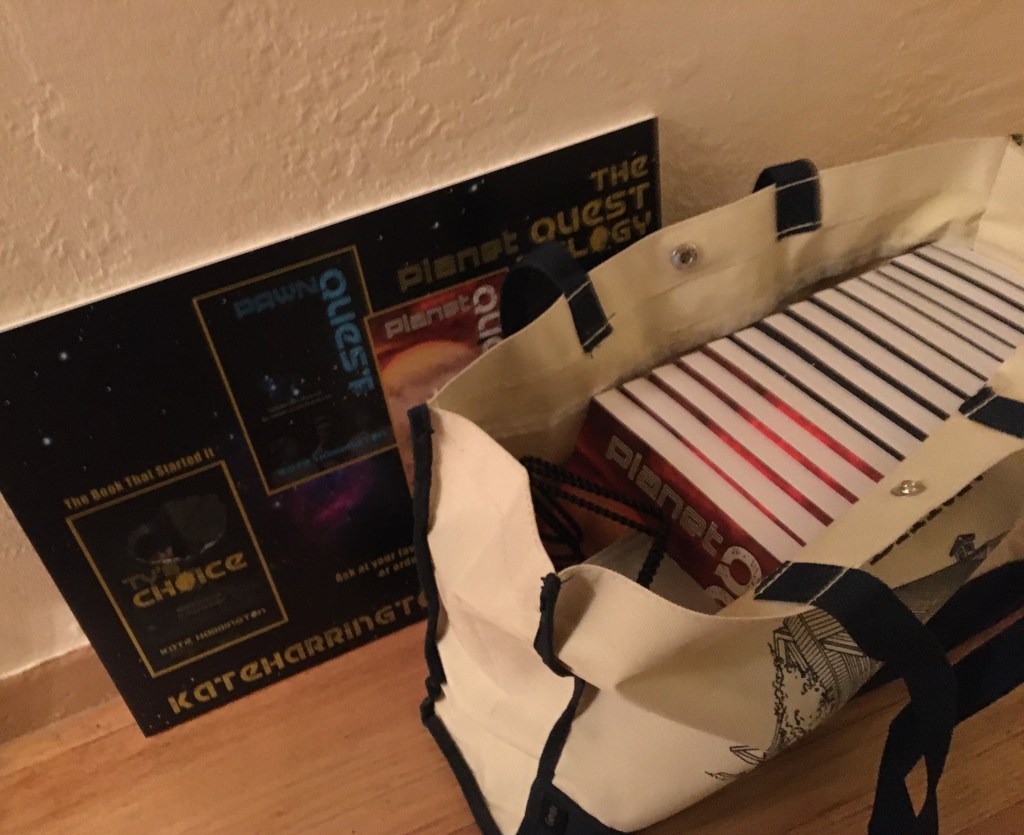
I’m also packing books for my only appearance this year at an arts and crafts festival, to discover who wants to buy some marked-down books.

Books, poster, bookmarks, what have I forgotten?

back to NaNoWriMo

After an uninspired weekend, I decided I needed to do some research, plus carefully read the manuscript—as far as it goes—making sure it has a solid foundation. 
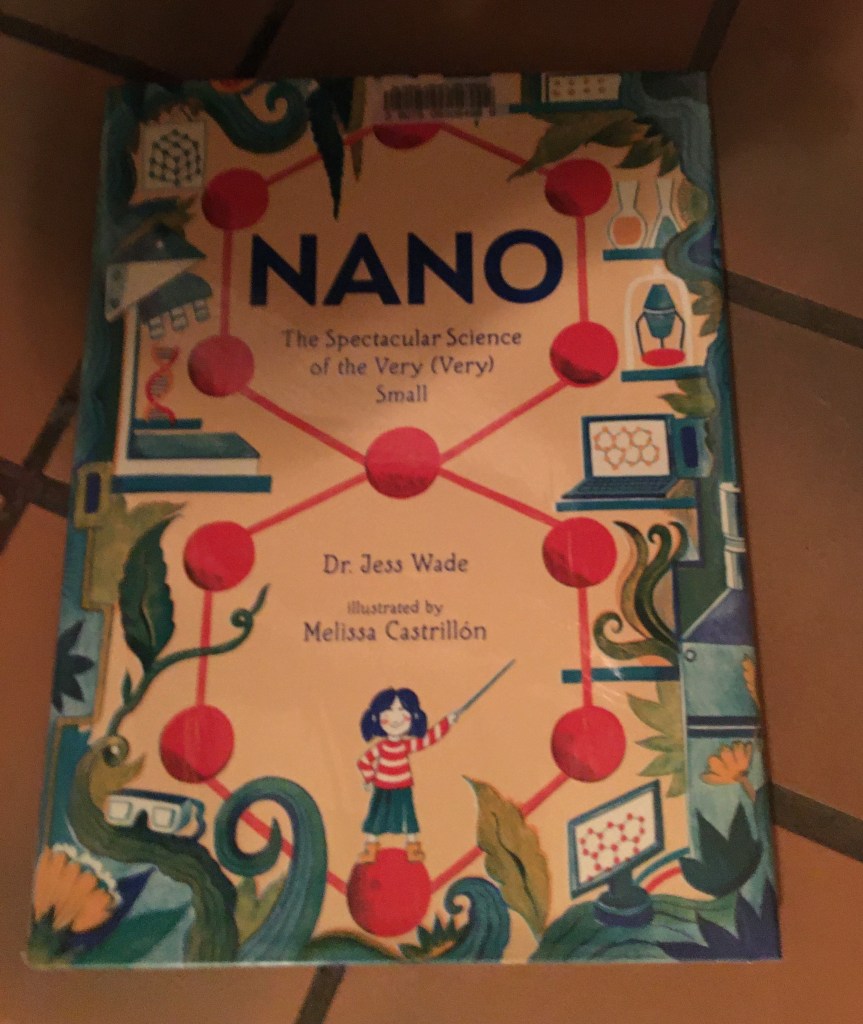
Since one of my plot lines deals with nanites, I checked out several library books, fiction and nonfiction, on the topic. The first one I read was a children’s picture book—well done, aside from one particular illustration:

I burst out laughing and said, “No it’s not!” A drawing states: “The gas in hot-air balloons is helium.” New Mexico children know better than that!

Where nanites are concerned, I need ideas of future possibilities, so I’ve now moved from the adult nonfiction to the fiction.

a freeze—

The mulberry trees are testifying to a solid freeze. They’re dripping carpets of leaves around themselves.

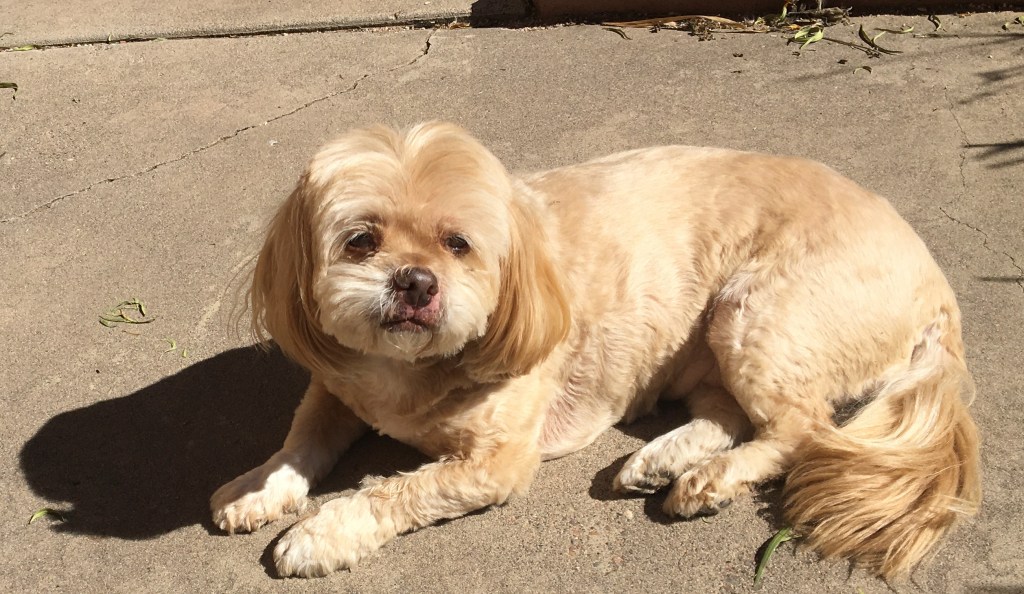
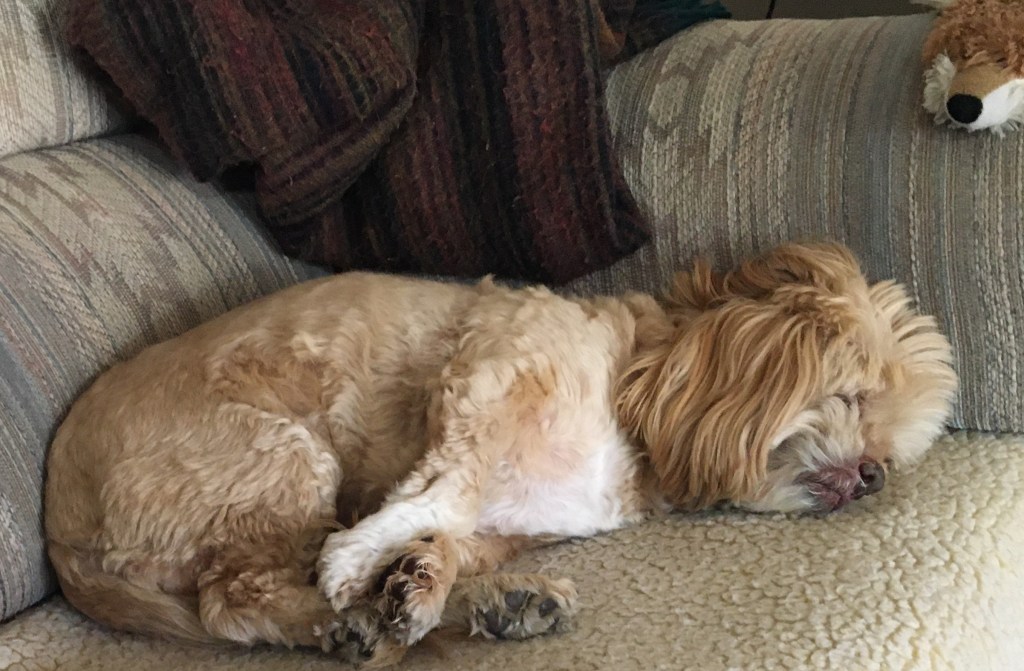
Sophie, being related to Tibetan palace dogs, loves this kind of weather—as long as there’s not too much wind.
Finding

Have you ever noticed that when you’re looking for a particular piece to a jigsaw puzzle, you can’t see it anywhere? So you start looking for something else, and that first piece jumps up and says, “Here I am!”

Why is that?

Crows

The crows appeared on the morning of Halloween, as I was walking Sophie. They were coming and going and chatting amongst themselves at the top of a cottonwood tree. Glad to have them back!

The next morning, no crows. The morning after, back again.

The Pecan Question

A couple weeks ago, before the crows returned, I blogged about how in the fall, crows bring pecans to a nearby light pole and drop them onto the pavement. I wondered where the pecans came from, and how far the crows flew before consuming them.

On time-change Sunday I took a late walk. It was a duty walk—I didn’t want to go—but pushed myself out the door. After dropping off a couple items at the park’s library box, I searched for the sunniest streets to walk down.

Just two blocks away, but a street I usually pass by, I came across pecans on the sidewalk in front of a house. There was the tree right in the front yard, only two blocks from the light pole (one block as a crow flies).

I picked up four pecans from sidewalk and street, and had eaten two by the time I got home.

An aside—

Speaking of the time change, I notice many states are considering a move to continual Daylight Savings Time. Please, please, please, Legislators, reconsider.  Yes, return us to one continual time, but make it Standard Time, not DST.

There’s a reason it is called Standard Time. Look to the health benefits, not the urgings of businesses, when making this decision!

Seeking

With this latest time change, my thoughts have been scattered. I wrote nothing over the weekend.

This week, I plan to get back to writing. I have a particular plotting quandary that has proved impossible to resolve by direct approach. 

Here’s hoping if I attend to the details of my characters’ lives, and wander down a sunny street or two, maybe the answer will pop up and say, “Here I am!

the color blue

In last week’s blog I spoke of walking in new places and seeing new things. I took a walk before uploading that blog, and came home to write what I’m posting this week. 

The sky had captured my attention even more than the neighborhoods. To be exact, I was captivated by the sky’s deep blue on a chilly morning.

And that deep blue reminded me of a love poem I wrote in 1989.

I love blue

Once I saw a sky so blue
it was new to me
deep unfathomable blue.

Once in the Rio de los Frijoles, blue
sparkled with sun-catching facets
bright uncatchable blue.

Once your eyes flashed blue at me.
Long before you saw me, I saw you
unforgettable blue.

I love blue.
Once 	
your eyes flashed blue at me.

writing—

I’m drawn to poetry that tells a story. And I turn to poetry when most deeply moved. That’s why I’m drawn to working on verse novels that demand writing from my depths.

gratitude—

I’ve been in a number writing groups since retiring, but re-visiting this poem reminded me of the generous mentors who also came and went during my working years. Truly, this world can be an open-hearted place.

Batteries

My internal batteries got messed up, and I’ve missed two blog deadlines.

Messed up from what? you might ask. From Changes, I think.

Change in seeing: I completed the three weeks of eyedrops after cataract surgery and I’m still adjusting to taking OFF glasses to see the world.

Change in company—come and gone. Such a delight to see my sisters, in spite of a rainy week and no big happenings, other than a crisis or three.

Autumn crocuses bloomed just in time to welcome my sisters.

The Monday after they left, I felt like I’d had a real vacation—a staycation, at least. But by the next day, the world had crashed on my doorstep with all the pieces I’d ignored.

It’s rare that I take time off from all my projects. Before my sisters came, I managed to read a book: THORN, by Intisar Khanani; its plot based on The Goose Girl tale, full of middle east flavor. This past weekend, I read its sequel, THE THEFT OF SUNLIGHT, and couldn’t put it down. Unfortunately, it ends in a cliffhanger, and the library doesn’t have the next volume or ebook yet.

After reading THORN, I felt the tug of my own novel-length version of The Goose Girl, and pulled it out. It’s been nudging the back of my mind for months. Looking over the beginning, I was immediately dissatisfied. Told in three voices, at least one voice needs to be in verse. Something to play with when I want a change of pace.

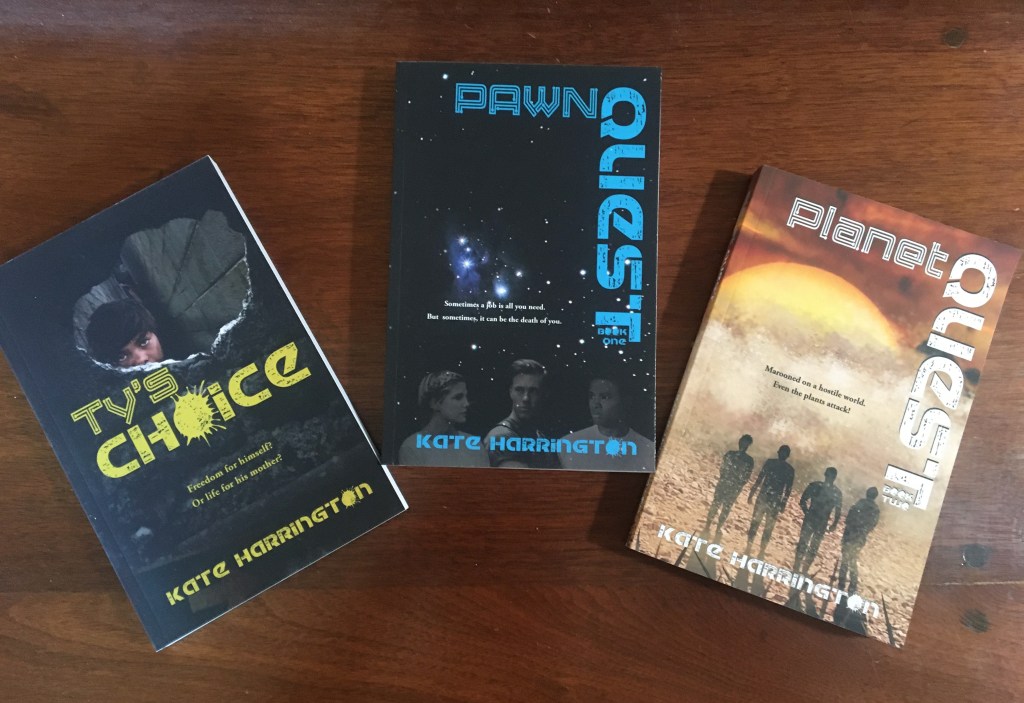
But meanwhile, I’ve committed to writing a complete first draft of Book 3 of the Pawn Quest trilogy by the end of the year. For November’s NaNoWriMo, that will be my main project. And December too.

Trees always have interesting smells.

Sophie is feeling better and better, now that she’s given up jumping on the furniture. She’s not above begging to join us, though. We lift her onto the couch.

And down again—unless she beats us to it.

Something New

I blame the pandemic for a lot of things—mainly losses. Like my former pattern of early morning walks to a coffee shop. I always passed a walnut tree and in the fall would collect the ones dropped on sidewalk or street. Then there was a fenced yard where a scrawny peach tree leaned over the sidewalk. It grew scrawny peaches—but really tasty ones.

Neither is a big loss—just a reminder of changed circumstances. The pandemic merely speeded up a more static lifestyle. 

But there is always something new if we only go looking.

The neighborhood

The point man on our solar project lives in our neighborhood. He commented an interesting house he’s observed, and mentioned his own fencing project. I went looking for the house with stained-glass windows and an upperstory add-on, and smiled at the bike hanging upside down on the balcony. I also wandered until I found the fence Jason had described. 

My habitual walks can be a whole lot more interesting if I explore everywhere, not just the same old streets. Another case-in-point are— 

Crows

They haven’t arrived yet, but every fall crows show up and shout “Caa!” from trees around the park. Also every fall, they sit on a nearby light pole and drop pecans to break their shells. I’ve picked up whole ones and eaten them. 

And always the wonder, where’s the pecan tree? How far do the crows travel?

By exploring new streets I actually found not one but two trees dropping nuts onto the sidewalk. I brought some home. 

Not!

They turned out to be walnuts instead. Maybe the pecan tree is in someone’s back yard.

Or maybe I should ask a crow how far it travels . . .

Seeing

My lifetime of wearing glasses still catches me looking up at the world through the fuzzy lenses of cheaters (from reading or laptop).

This almost-frosty morning, I got in the car and put on a cloth mask in preparation for arrival at a medical lab. My first puff of air reminded me of the foggy glasses syndrome. I had grabbed the wrong mask. 

A few breaths later, I thought:  Hey! You don’t wear glasses to drive. What’s the problem?

Here’s Sohie soaking up autumn sun, in her new haircut.

Cataract Surgery — a new adventure

There is an elation in coming out of surgery and discovering your eyes still see. And my friend Jane was entirely correct in her advice:  I focussed on watching the colors and shapes as they worked on my left eye and then the right. It occupied my mind.

Plus the surgeon’s voice was cheerful and confident. My only disappointment was in having no glimpse of the actual machinery involved.

Look, Ma — No Glasses!

Yes, colors are clearer; the freshly-watered grass at the park sparkles; picket fences don’t wriggle and blur; stars are single points of light in the sky—all with no corrective lenses between me and the objects.

The down side is juggling different glasses between near work and the computer screen. And when I forget I’m wearing cheaters and swing my head around, the world warps and blurs until I pull the things off and want to throw them across the room.

Yes, yes, calm down. It’s all change and adjustments. I’ve been saying it from day one. But—

From elation at surviving surgery, I moved to a deep—for me—depression, because of not having the energy nor the vision to do My Work

“The Guest House”

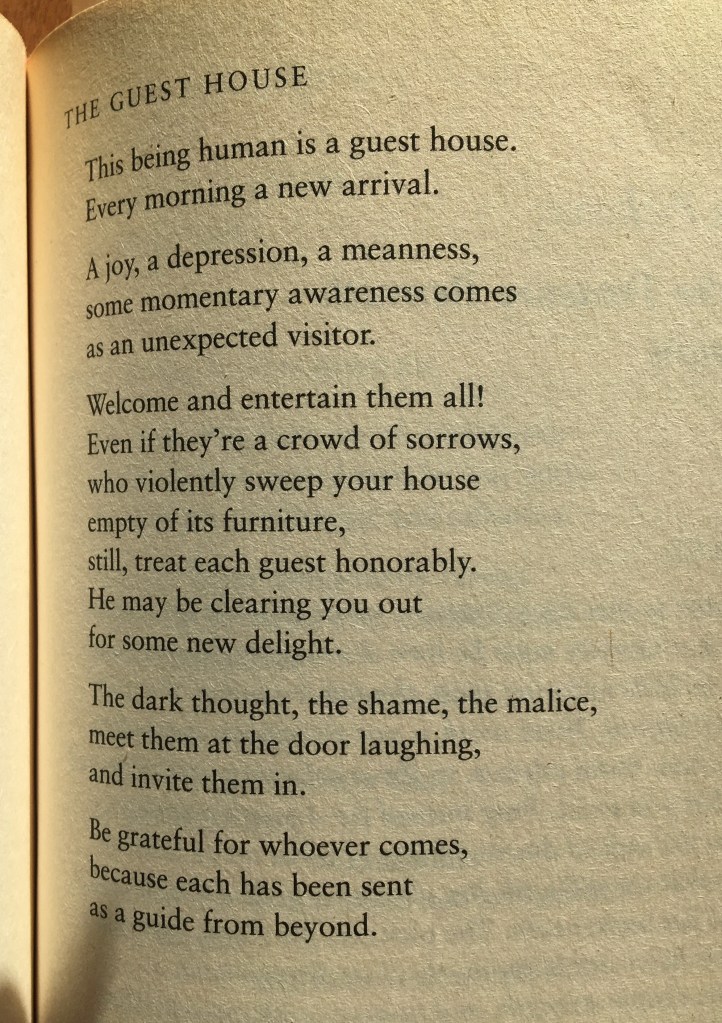
A favorite poem of mine is Rumi’s The Guest House.

Every morning a new arrival.

A joy, a depression, a meanness, . . .

Welcome and entertain them all!

On my walk, I welcomed my latest guest: the fear that I am losing my purpose in life.

I found myself experiencing a heavy chested, deep despair. In fact, the nearest equivalent is what my mother experienced after my father died. 

Mom had lost her life’s purpose, her companion of 72 years. I was with her at the time, but I could not empathize so deeply until now. This morning, out of my own sense of loss, I moved into hers.

Even if they’re a crowd of sorrows,

who violently sweep your house

empty of furniture,

I only have a month to six weeks before getting prescription lenses, when I can resume my “carefree” vision. And maybe my energy will return even sooner. 

I need to stand back from my work and watch for the insights that come only when allowing space for a greater perspective, emotions and all. 

Welcome. Enter!

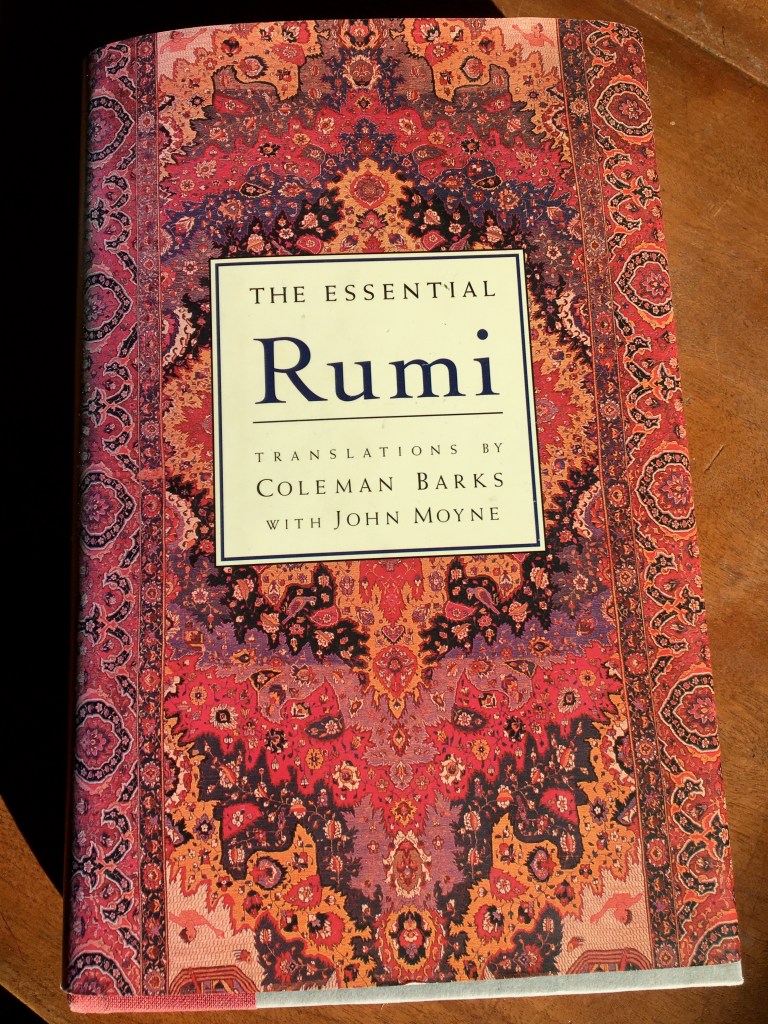
The Essential Rumi; translations by Coleman Barks with John Moyne

Nesting

I feel like a woman about to give birth. This week brings me new eyes—in the form of cataract surgery. Nesting is what a pregnant woman does shortly before her baby is born. And babies change so much of one’s world and perceptions.

For the surgery itself, one friend advises enjoying the light show rather than being anxious. Though she says she only noticed the psychedelics when her second eye was done. Maybe it depends on the amount of anesthesia?

I’m wondering how my sight will change afterwards. Newly opened eyes might force me to wash some windows! One friend discovered her wrinkles. Others have mentioned the more positive results of seeing colors and details come to life.

Meanwhile, because I may not be driving for a few days, I’ve defrosted our freezer, made jam with frozen apricots from this season’s small harvest, and need to buy groceries mid-week, since I’ll miss our usual Saturday trip.

There may be no blog next week. I’ll be adjusting to distance vision, and the need for reading glasses (cheaters) for near focus. And I’ll be cleaning house for a sisterly visitation due to arrive in a couple weeks—fun! fun! fun!

What really cries out is my desire to not lose my daily discipline of writing. I proved I could produce a blog every week (with exceptions). I then challenged myself to write daily to solve the dilemmas dreamed up in the first two of a science fiction trilogy that need to be resolved in the third book.

If my consciousness can dream up a problem, it can dream up a resolution. I know it will resolve, but some of the details are eluding me. I have to pay attention—daily—to be sure to catch them as they appear.

What we read—

I’ve never been one to read all the best sellers. Reading for me (like relationships) is a matter of establishing trust. Once I give an author my trust, I’m willing to read anything they produce. Though back when I read a lot more than I do now, prolific writers were dropped if they never changed voice or plot. Trust is one thing, but don’t bore me.

Also, as a children’s librarian, it was the children’s books I needed to stay abreast of. Now in retirement, I don’t feel current with much of anything. 

During the Covid lock-down, I re-read many books from my own shelves, both childrens and adult, fantasy, sci fi, realism, you name it. In addition, I was thankful for my iPad and a library system with a plentiful selection of e-books.

Over the years, I’ve wished I had read more of the classics. For a time, we were part of a couple’s book group. I really appreciated being forced to read books I wouldn’t have picked. Maybe I should join another book group, to broaden my intake.

The topic of what we read came about because of a panel discussion at Bubonicon, (Albuquerque’s science fi/fantasy convention) The panel was discussing books they re-read. I could only stay for a short while so missed most of the talk, but it got me thinking about how personal our reading choices are.

One neighbor told me that one of her turn-to authors is Faye Kellerman. I love reading autobiographical matter by writers, and when I went home, I found a brief essay of Kellerman’s describing how she began writing. She included brief biographies of Lazarus and Decker, her mystery sleuths.

Interested, I checked out her first book: The Ritual Bath, and was hooked. I gobbled up the next two in the series before the week was out.

Okay, sometimes you have to break off a book relationship to get on with your own projects. But I will return to Kellerman—pretty soon.

Yeah, yeah, I did it. Lemme rest now.

Sophie has made amazing progress with her hind legs, and has thrilled neighbors who witnessed her hobbling these last couple of months. She’s walked without the sling for a full week, and often circles two blocks rather than just the one.

The art of not being noticed

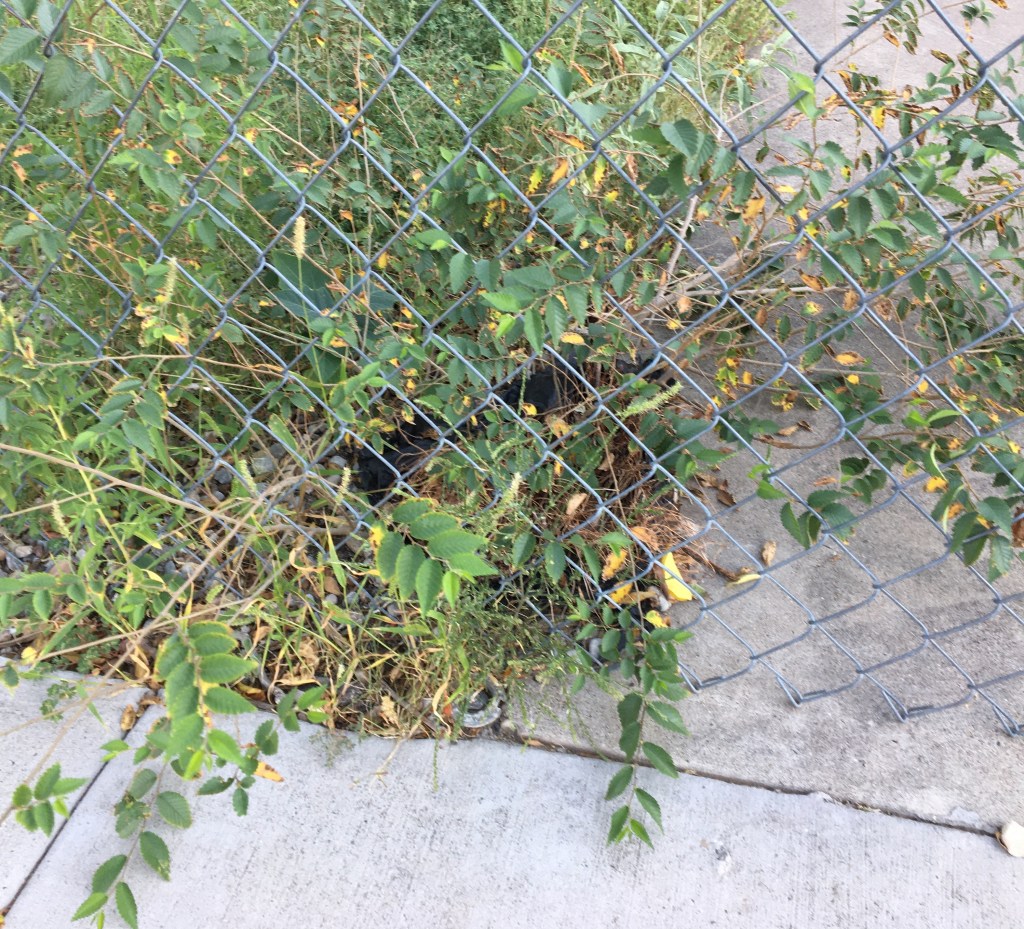
Once upon a time, a black plastic bag lodged in the corner of a yard. At some point, a gust of wind inflated it, so that it appeared to be a black balloon.

A neighbor walked by and noticed this round black bag behind a chain link fence. She wondered how long the bag would remain inflated. 

For days, for weeks, for months, she continued to wonder, because the black bag never seemed to change.

Winter came. Finally, some rents and tears appeared in the plastic. With spring, a few weeds poked out.

A For Sale sign went up. The yard was cleaned, but the workers never touched the bag.

A Sold sign was posted. People came and went. Through all that activity, the black bag sat in its corner. The weeds grew bigger.

Ha ha! Can’t see me now!

People moved in. An old dog named Sammy roamed the yard. He never looked at the black plastic bag. Nor did the new owners.

Summer rains came. Now elm branches stretch out of the bag. and the bag is a black collar around the growth. Eventually the elm tree will call attention to itself, but the common little black plastic bag will be ignored.

The walk-by neighbor, who writes books, wonders about the plastic bag’s secret. She would like to remain unnoticed while she writes.

But the very act of writing, demands readers. That means, being noticed. What’s the easiest way to get noticed?

We’re not plastic bags.
Notice us!

A love letter

This is a love letter to the world. Earth is our amazing home. 

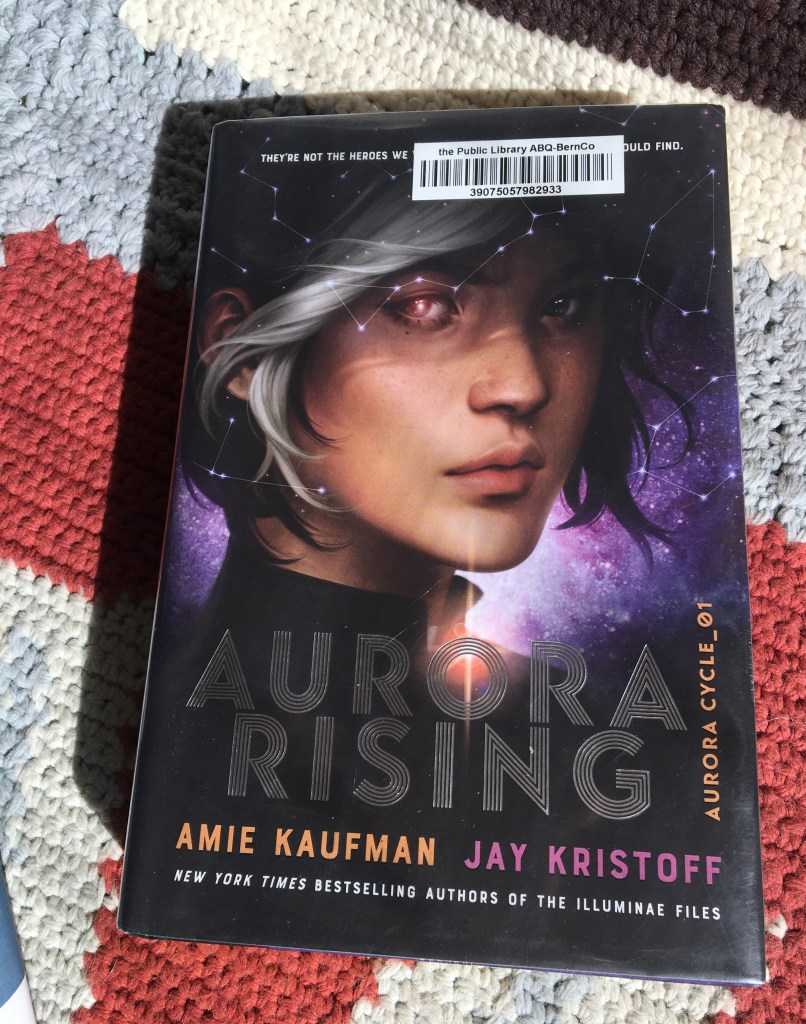
Although I’m writing a trilogy involving another planet, and I’m reading Aurora Rising (Aurora Cycle_01) by Amie Kaufman and Jay Kristoff, and I watch Babylon 5’s adventures, I doubt if the vast distances between stars will ever be breached by humans. Unmanned vehicles, yes.

Walking Sophie this morning, we passed a bush humming with bees. We witnessed a hummingbird hovering beside a trumpet vine blossom. We enjoyed the morning’s cool breezes.

Nature has established, over and over, balance between all its life forms. Over and over, that balance has been disrupted, but always a new balance evolves to shape a new inter-species survival plan.

We need an inter-species survival plan right now. Humans have caused this current imbalance. We’ve seized on so much more than was necessary to live full lives. We’ve destroyed habitats and deprived other humans and other species of equal space.

Healing is possible. But we’ll have to unite behind the need to heal, if we are to have a share in the end result. 

Healing takes time. It’s been two full months since Sophie tore her ACLs. She is so much bouncier now. She still welcomes walks using the sling, but with it (between lie-downs in the grass) she actually bounces and runs a few steps. She loves the cool green underfoot at the park.

Sophie and I also passed a dying dove at the edge of the road. Her eyes were open, but only her head moved at our passing.

What is life? 

When does life end?

Is a planet alive? A star?

A large star collapses into a black hole. 

Is a black hole alive?

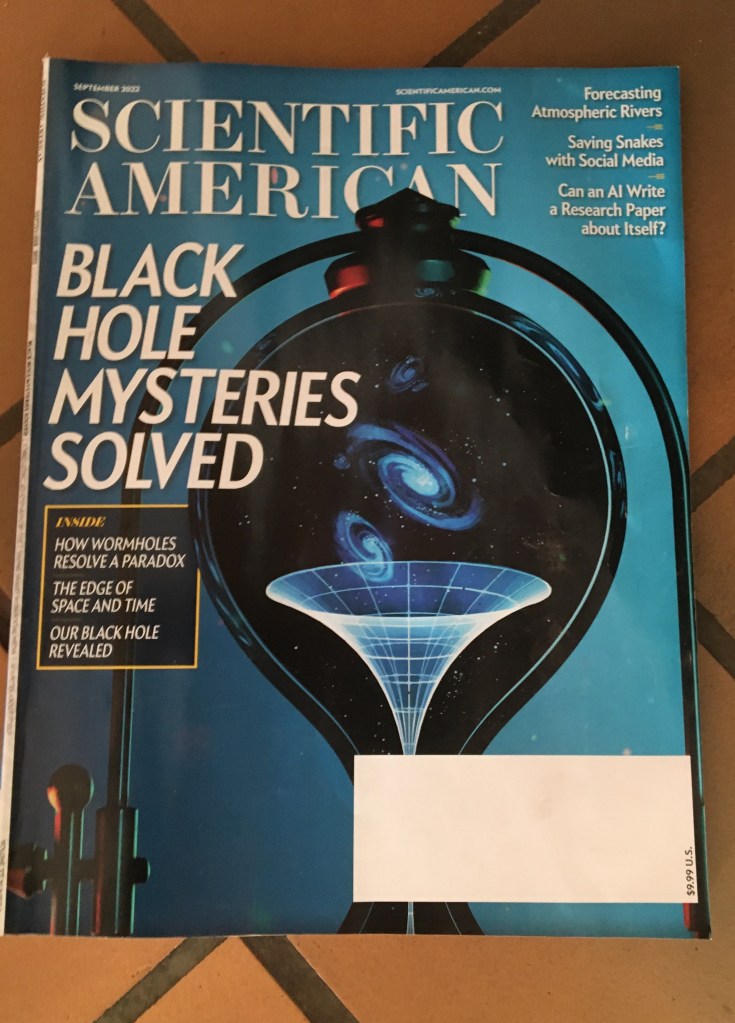
My latest Scientific American issue mentions the possibility of blackholes forming temporary wormholes to other black holes, indicating that information might pass between. 

Can information be a sign of aliveness?

I’d hate to have “information” of our tenure on Earth be evidenced only by the destruction we’ve wrought.

My first eggplant

Gardening News

I discovered my tomato sprouts are being eaten. It took me a while to locate two small tomato worms. Sorry, world. I destroyed the worms, rather than their habitat.