You might remember my “intention” of experiencing something new every week. I hadn’t come up with any ideas for this past week.
I do believe the cosmos (whatever name you go by) responds to our sincere needs (whether we want it to or not). A new experience did happen. It left me with questions and a certain amount of angst.
On the streets—
Back before Covid, I used to walk two miles to a coffee shop for early morning tea. Street people occasionally asked me for change. Sometimes, it was easy to say no. But other times haunted me, particularly if it was a woman. So I began carrying a dollar or two, ready at hand in my back jeans pocket.
During the Covid hiatus, when the coffee shop was closed or with limited hours, I learned to enjoy that quiet time at home. I do miss those quiet walks into the dawn, though.
Recently, I was carrying a 50 dollar bill in my wallet. Being short on singles, I accidentally handed it to a cashier in a thrift store. Realizing my mistake, I switched it for a 20. I folded it up so I wouldn’t make that mistake again.
What happened—
This past Saturday, we were heading for the car with our groceries when I was accosted by a desperate woman. My husband put his bag in the car trunk and then got inside and waited. I loaded my bags while trying to make sense of what this woman was saying.
I was only half-sold on her story. It was her desperation that I bought into. On a cold day, I’d feel for anyone asking help. The amount she needed was $47 and change.
I reached in and pulled out that fateful 50 dollar bill. She broke down when I gave it to her, and I held her in a hug.
Second thoughts—
My attention had been divided between the woman on one side, my car, groceries, husband, and the day’s demands on the other. As soon as we left her, I saw all the holes and inconsistencies in her story. I knew I’d been lied to.
I don’t know her real story. But the woman was real. The hug was real. Her relief was real.
Did I provide funds for her next drug fix? Or for a safe place to stay? Not knowing bothers me, a lot, but . . . It is what it is.
The hug was real. My caring was real. That’s all I can own.
The planting experiment—
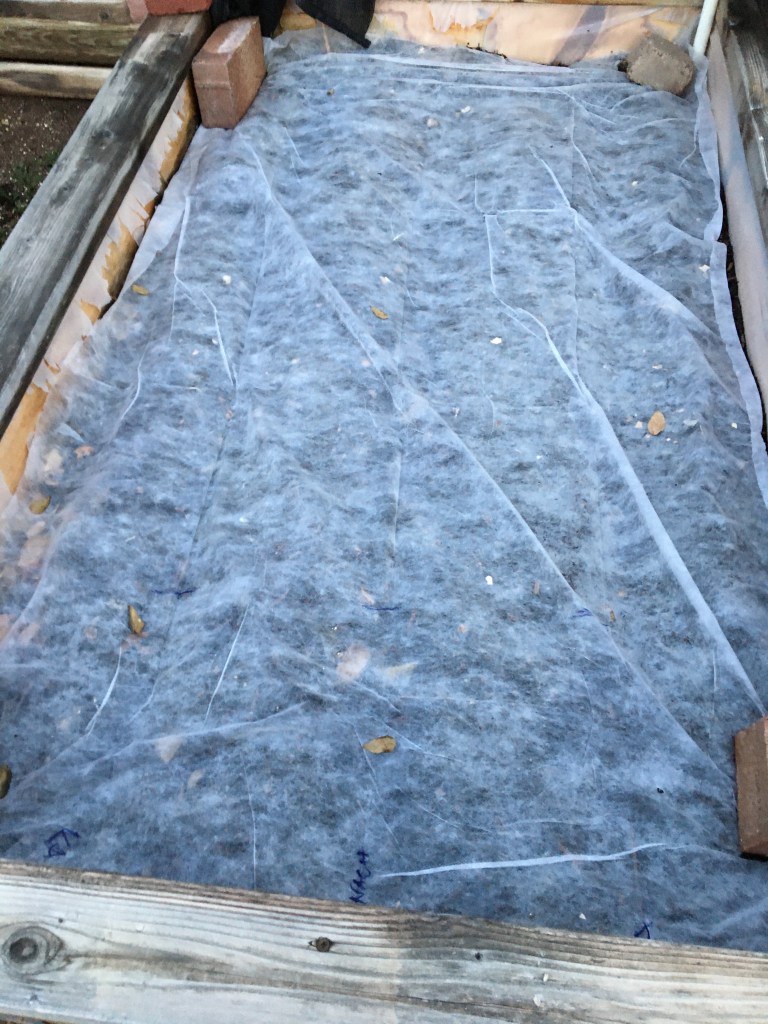
was postponed, due to a cold snap. I hope to set out the next batch of seeds next weekend. I have ideas of adding a second cover, a black one, to collect a little more of the sun’s heat.
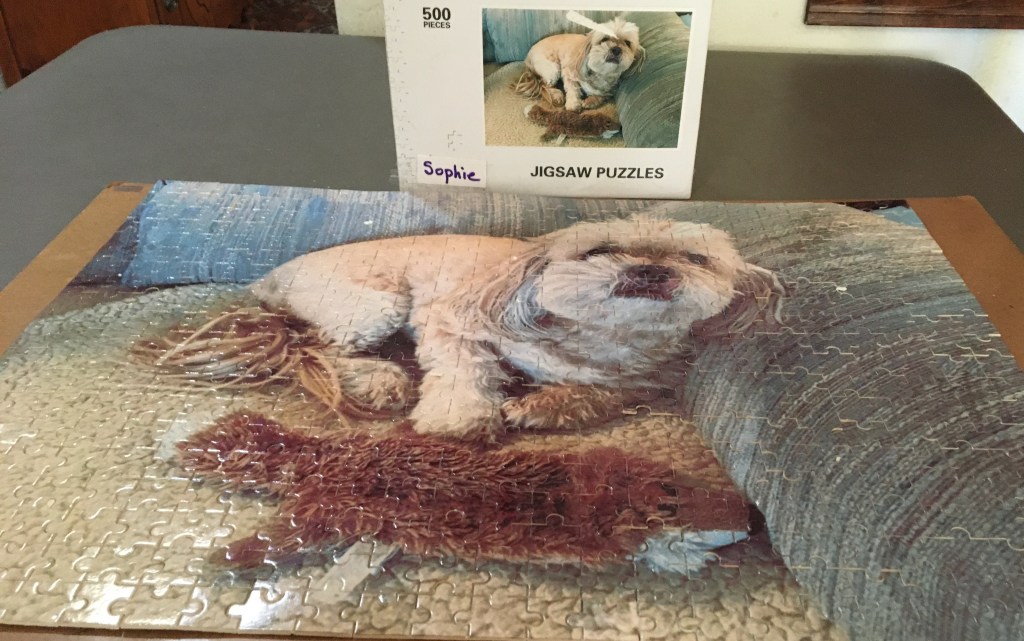
Even Sophie enjoys the new—
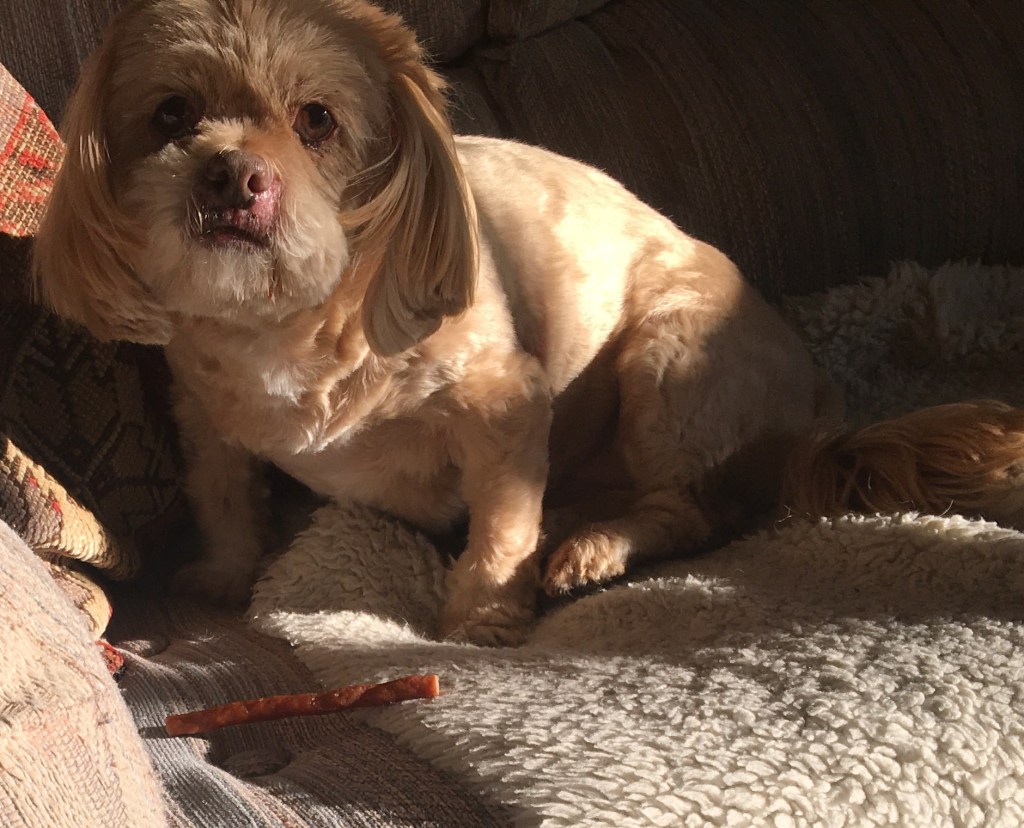
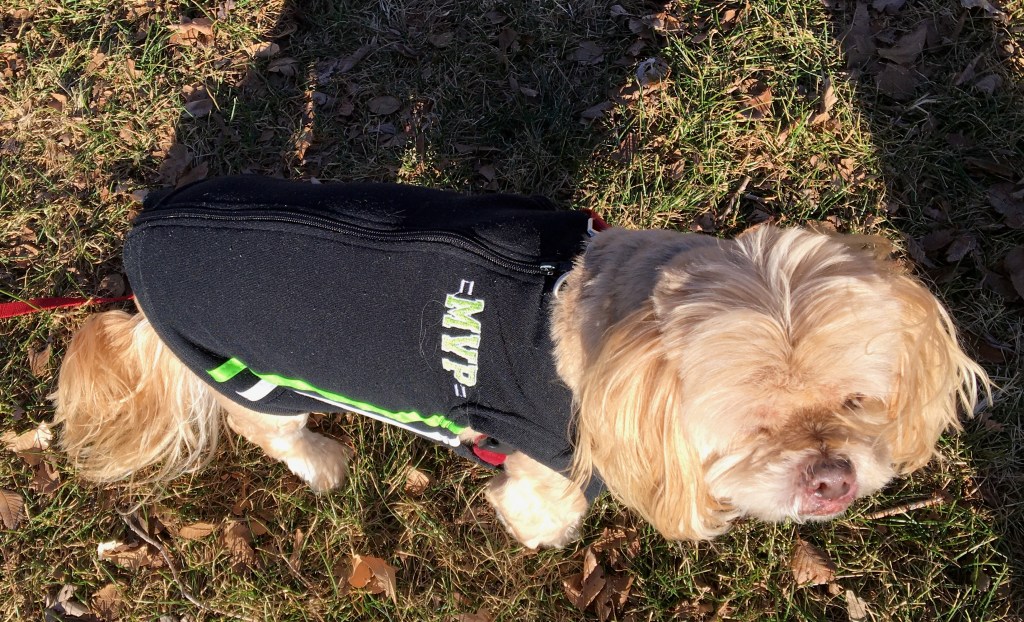
I wanted to pick up a book at the library Sunday afternoon, so we took Sophie along and walked her in the adjoining park—new place, new smells, new experience.
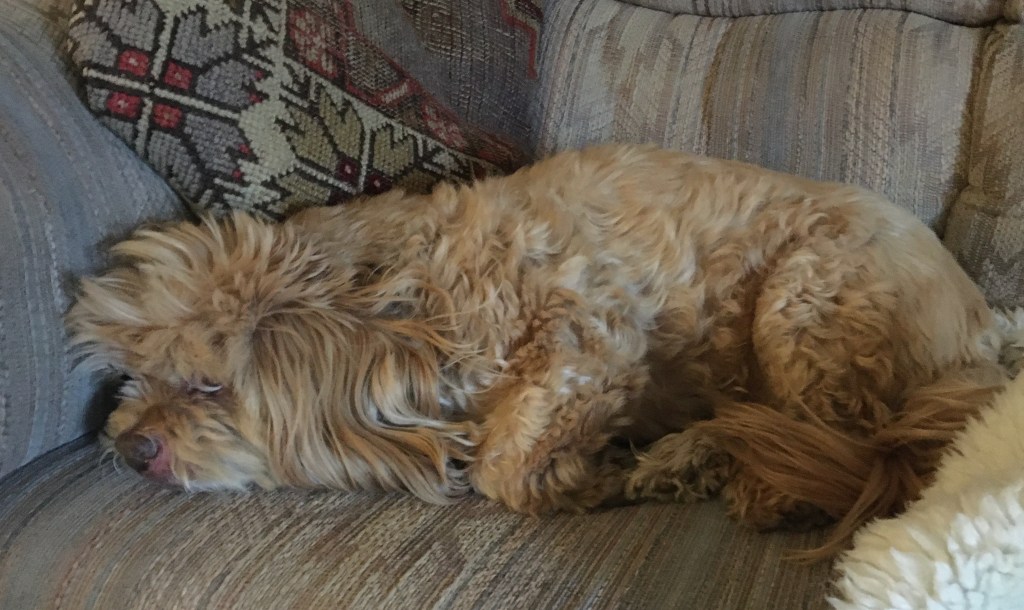
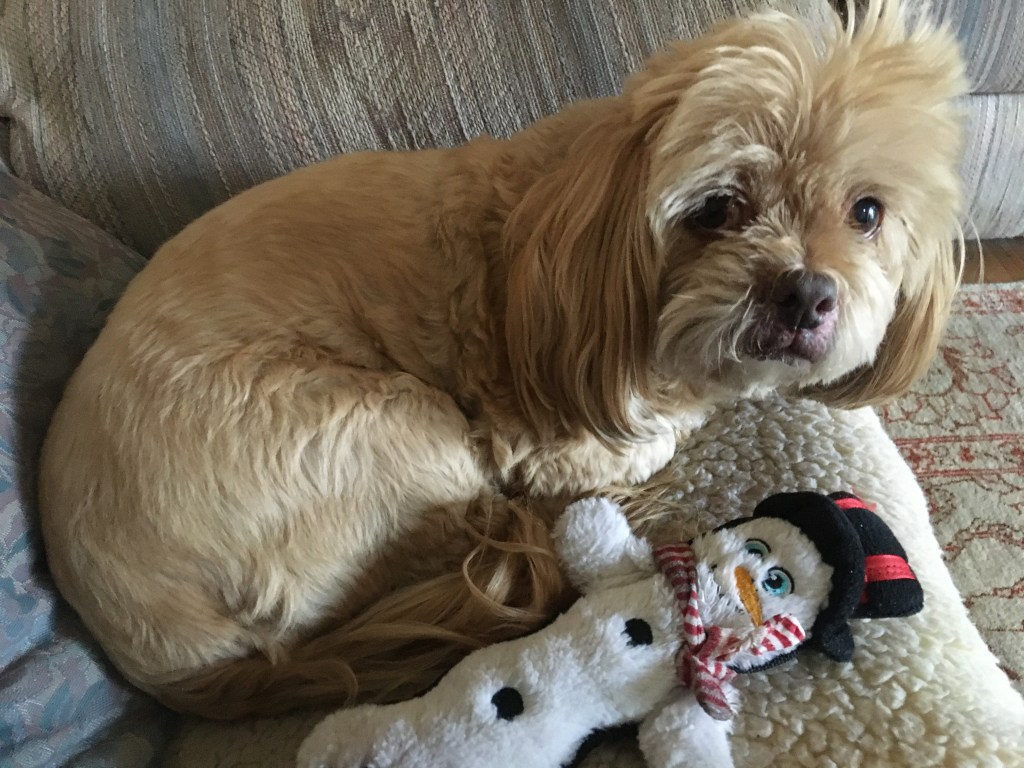
Sophie was a happy, excited dog. Then we all came home so she could take a nap.




 Kate Harrington